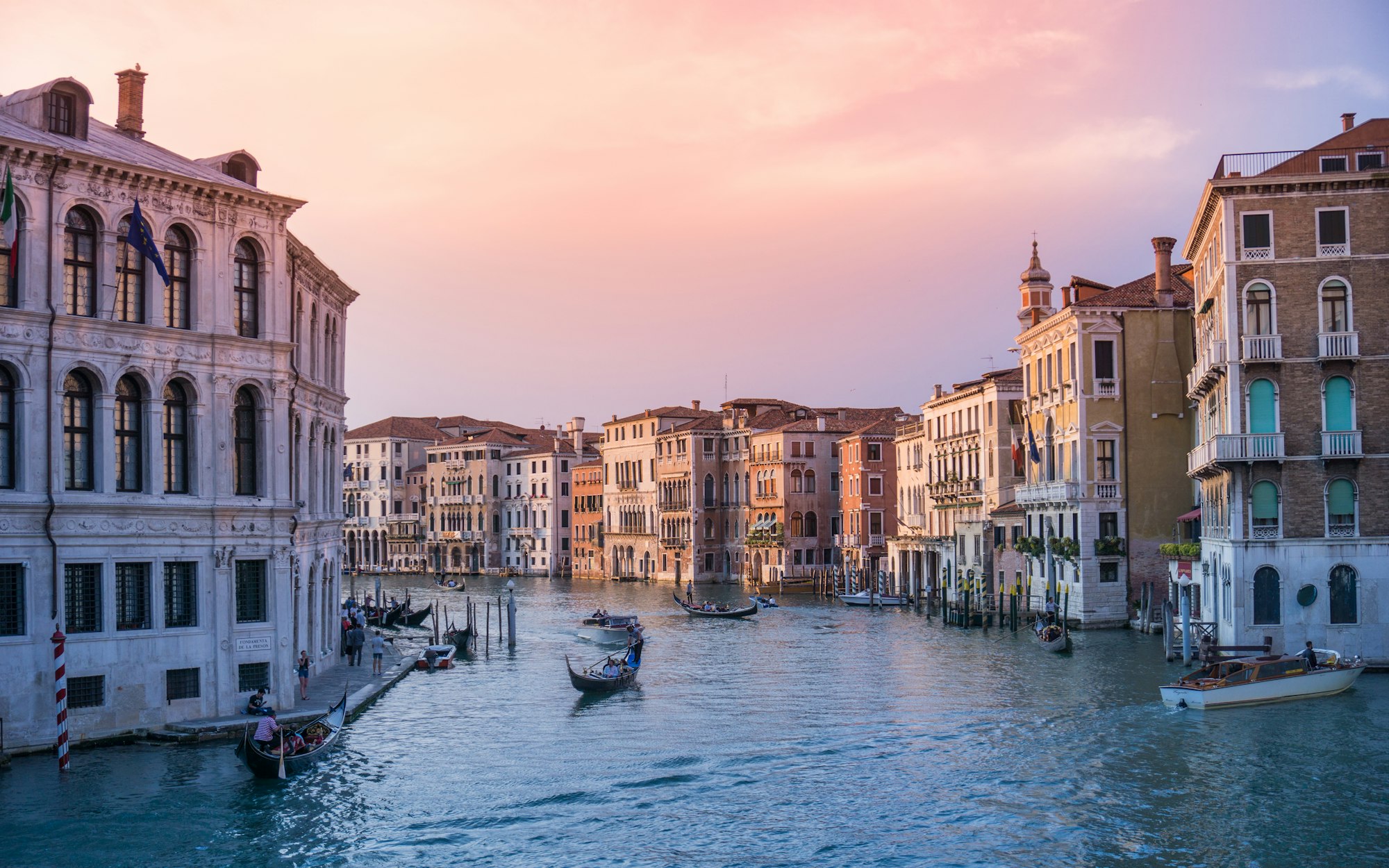
From the Delta to the art cities
Venice, Padua, Ferrara and Palladio’s villas: all within an hour of your apartment
One morning you choose the sea, the next Venice without the summer crowds, and the one after a Palladian villa or a hilltop village. From Rosolina, the best of Veneto and Emilia is within day-trip reach: Chioggia is 20 minutes away, Venice and Padua just over an hour. Here are our suggestions, grouped by how much time you have.
How much time do you have?
Half a day
For a morning or an afternoon, with the rest of the day at the beach or in the Delta.
⏱ 20 min + waterbus
Ca’ Roman
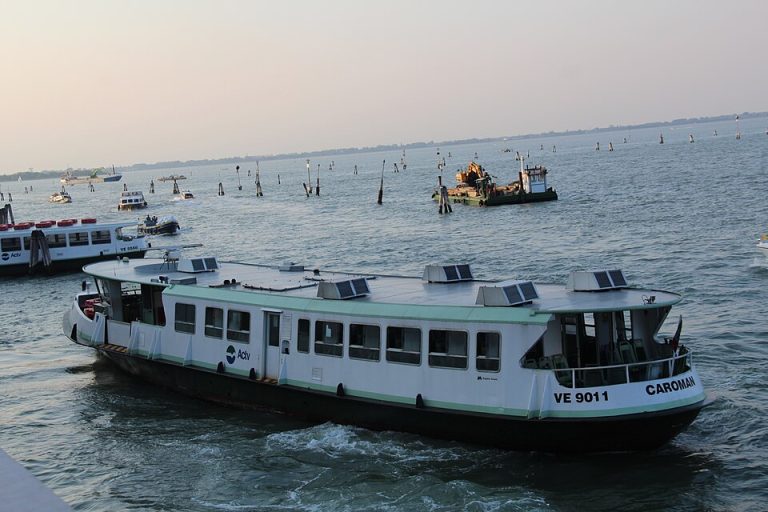
Dunes, pine wood and a wild beach at the tip of Pellestrina island, a few minutes by waterbus from Chioggia.
A full day
Leave after breakfast, back for dinner: the great art cities.
A slow day
Villas, hills and villages, to be explored without hurry.
⏱ 1 h 10 min
Arquà Petrarca and the Euganean Hills
One of Italy’s most beautiful villages, among hills and vineyards.
Three ready-made itineraries
For when you just want to go: three tried-and-tested days, perfect in the low season.
🗓 2 days
An art weekend without the crowds
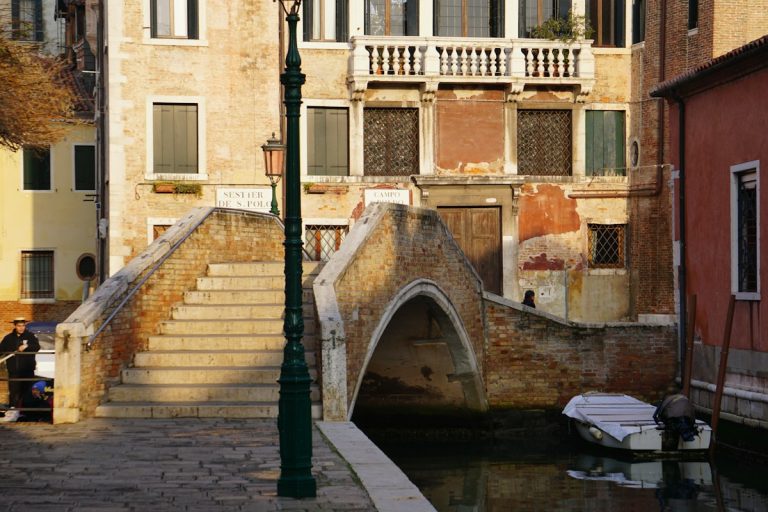
Day 1: drive to Chioggia, then by boat across Pellestrina and the Lido to St Mark’s. Spend the afternoon in Cannaregio and Castello, away from the busiest routes. Day 2: Ferrara by bike along the walls, the Este Castle and lunch in town; on the way back, stop at Pomposa Abbey.
🗓 1 day
The lagoon loop
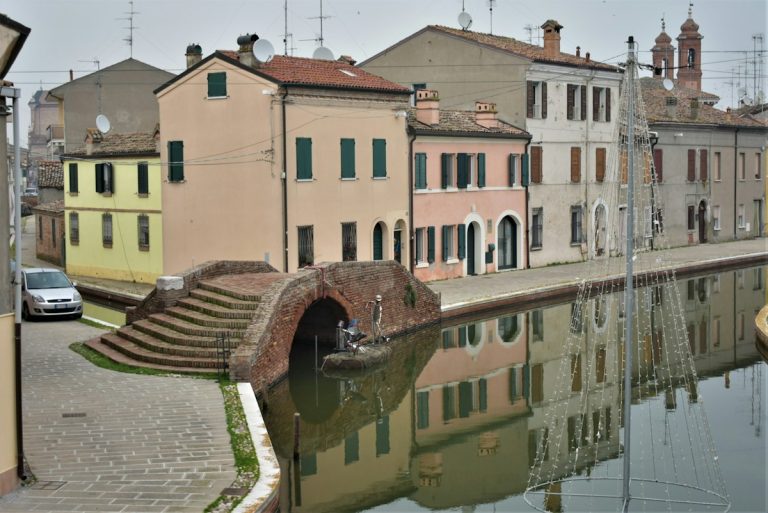
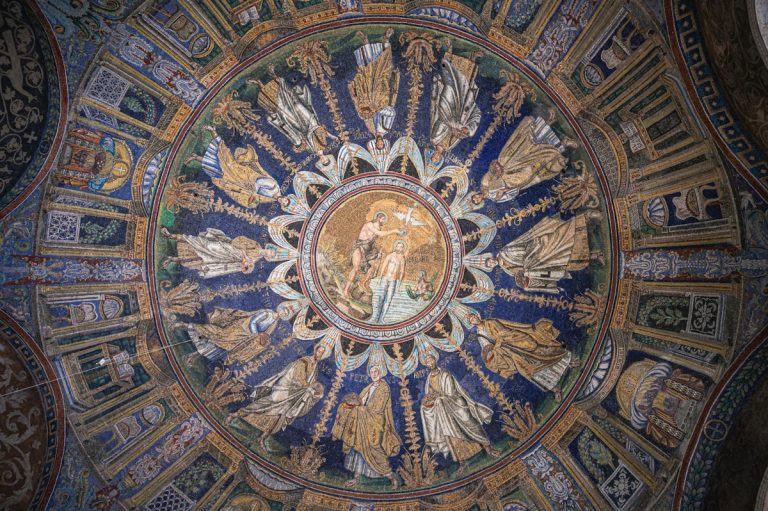
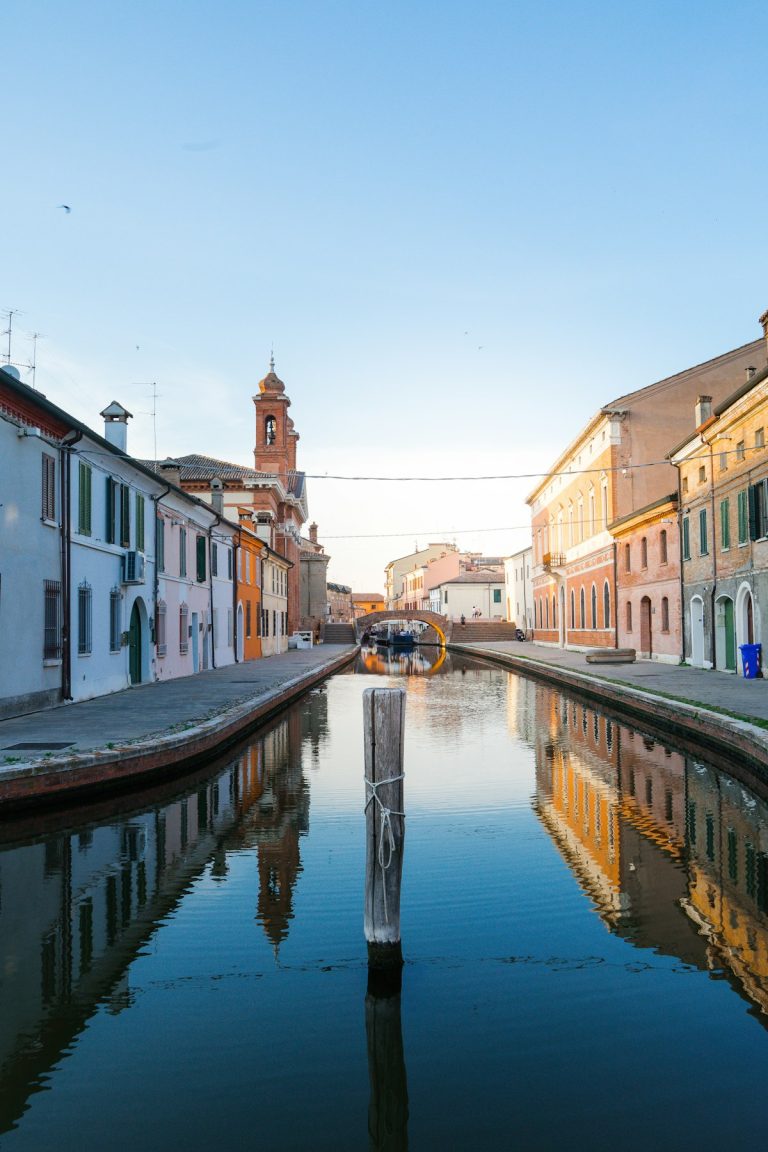
In the morning, Pomposa Abbey, then Comacchio for lunch among the canals and the Trepponti bridge. In the afternoon, the mosaics of Ravenna, then back along the Romea road at sunset, past lagoons and flamingos.
🗓 1 day
In Palladio’s footsteps
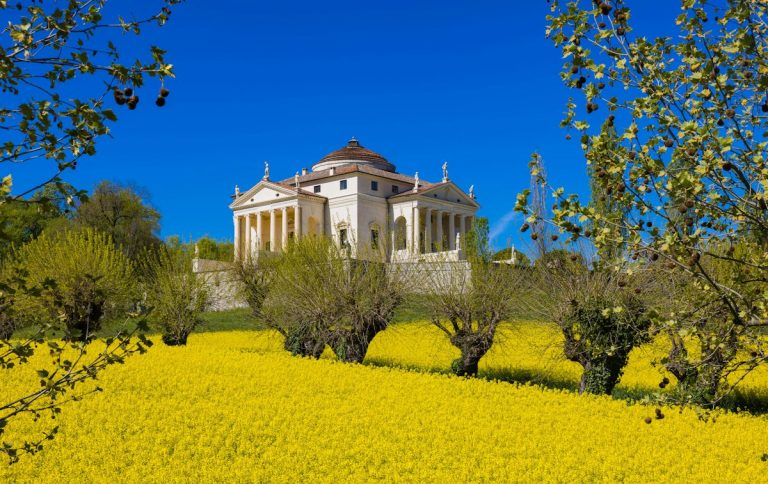
Villa Badoer in Fratta Polesine, Palladio’s nearest villa, then Vicenza: the Teatro Olimpico, the Basilica Palladiana and Villa La Rotonda. Alternatively, the villas of the Riviera del Brenta.
Getting around
A car is the easiest way to do day trips. From Rosolina station there are also direct trains to Chioggia and Rovigo, from where you can continue to Padua, Venice and Ferrara.
The destinations in detail
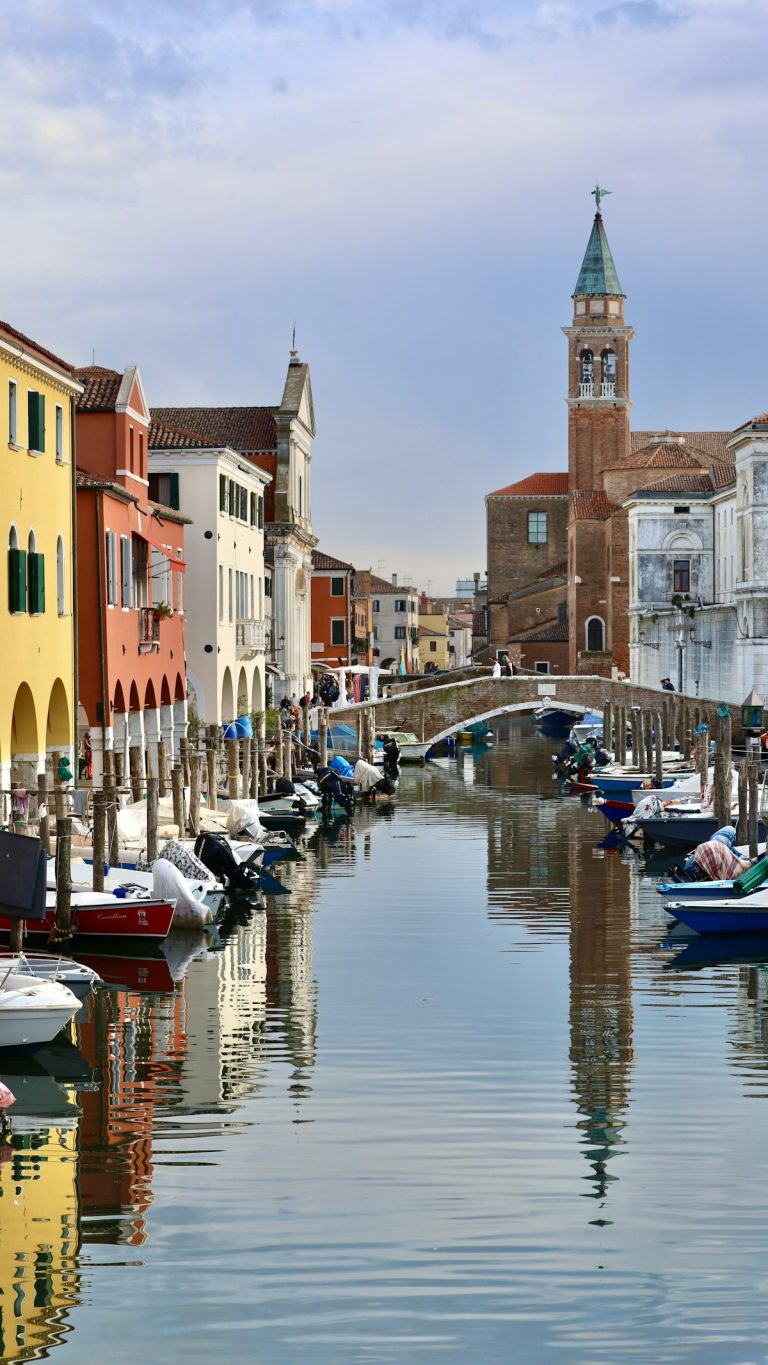
Chioggia
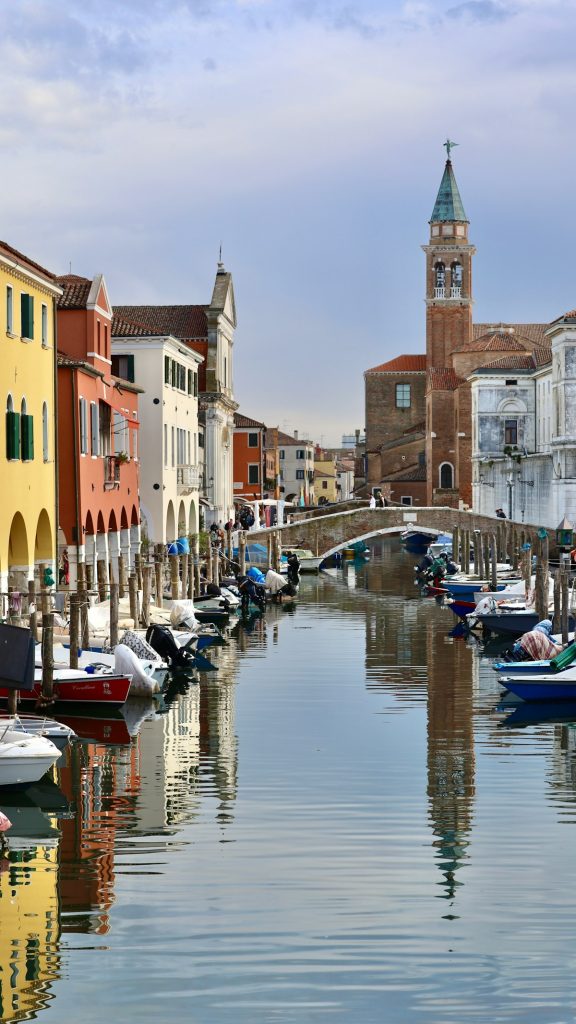
The “little Venice” next door: canals, boats and fresh fish.
⏱ 20 min by car · 16 km from the apartment
- Corso del Popolo and the Canal Vena with its bridges
- The fish market, one of the liveliest on the Adriatic
- The churches and palaces of the old town
- Sottomarina and its sea wall for a sunset walk
Getting there: 20 minutes by car, or by train from Rosolina station.
Local tip: Go in the morning for the fish market and stay for lunch in town: it is the easiest day trip and one of the most authentic.
Combine it with: Venice: the boat line across Pellestrina and the Lido leaves from Chioggia.
🌐 Official website: visitchioggia.com
Ca’ Roman
An oasis of dunes and wild beach at the southern tip of Pellestrina island, a few minutes by waterbus from Chioggia.
⏱ 20 min by car to Chioggia, then the waterbus
- The dunes and pine wood of the Ca’ Roman oasis, a Natura 2000 protected area
- A long natural beach, peaceful even in summer
- The murazzi, the old stone sea walls protecting the lagoon
- The pier and lighthouse at the entrance to the port of Chioggia
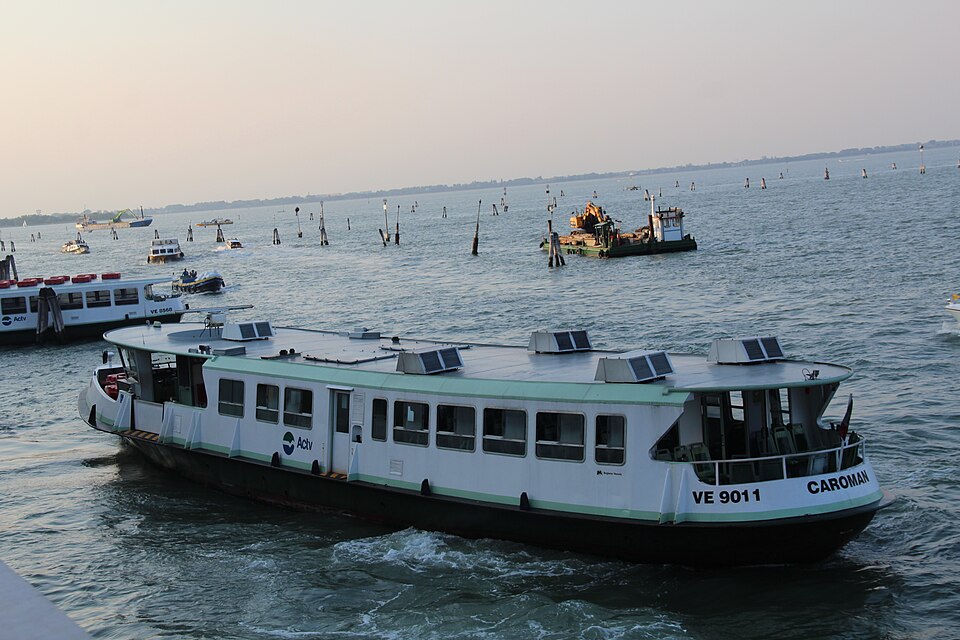
Getting there: By car to Chioggia, then ACTV line 11 by waterbus: Ca’ Roman is the first stop. Check the times on the ACTV website, especially in the evening.
Our tip: bring water, snacks and comfortable shoes, as it is a natural area with few services. Stay on the marked paths: in spring and early summer protected birds nest on the dunes.
Combine with: Chioggia on the same day, or continue on line 11 to Pellestrina, the Lido and Venice.
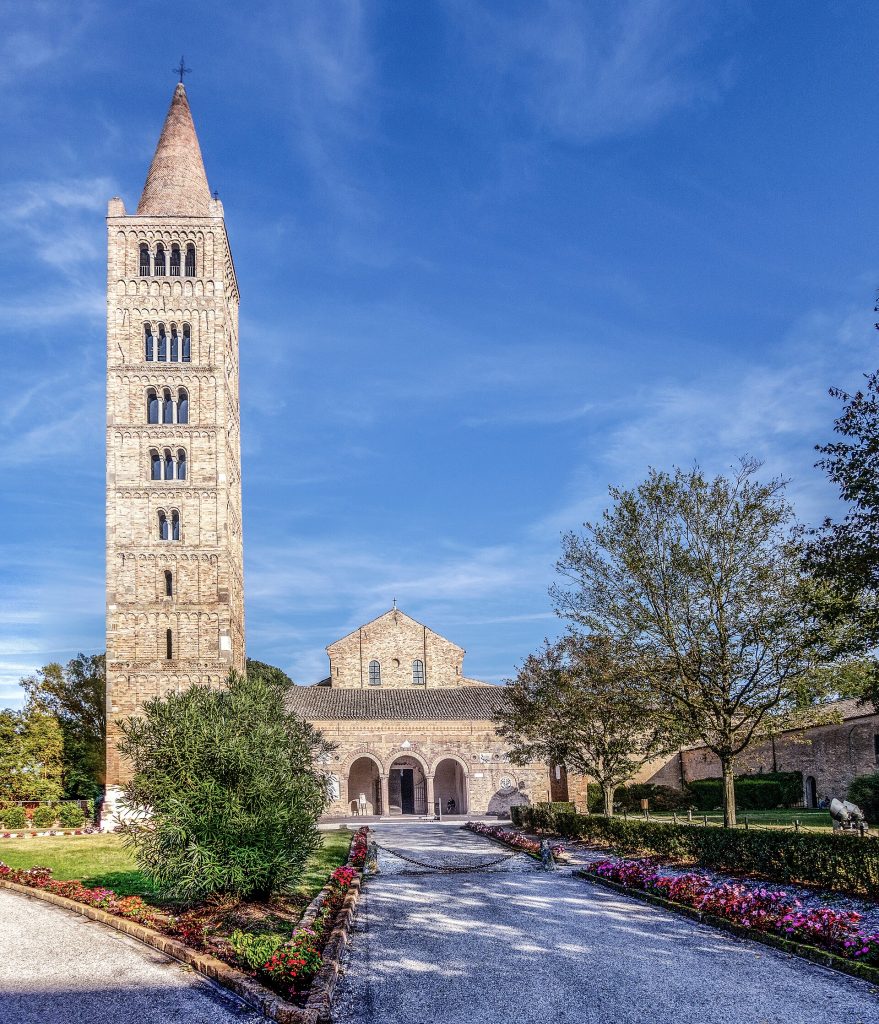
Pomposa Abbey
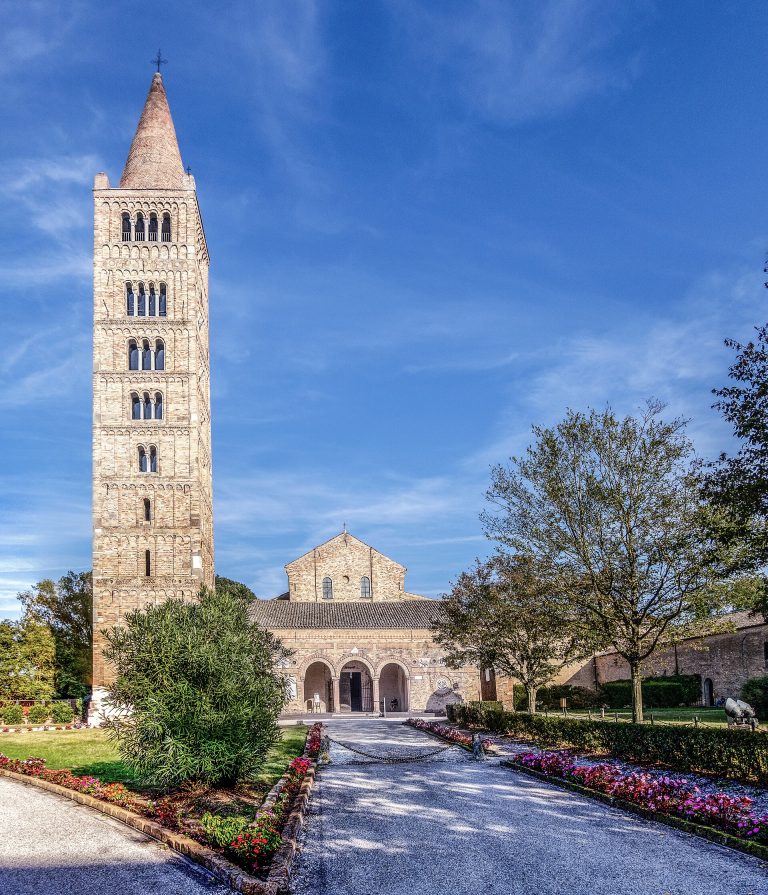
A Romanesque abbey in the quiet Delta countryside.
⏱ 35 min by car · 32 km from the apartment
- The Romanesque bell tower, visible for miles
- The church and its frescoes
- The place linked to Guido d’Arezzo, the inventor of musical notation
Getting there: 35 minutes by car, in Codigoro.
Local tip: Arrive in the late afternoon: in the low light the brick bell tower glows with warm colours.
Combine it with: Comacchio and Ravenna, on the same road.
Photo: Vanni Lazzari, CC BY-SA 4.0, via Wikimedia Commons · The waterbus to Ca’ Roman in the Chioggia lagoon: Oursana (CC0, Wikimedia Commons)
🌐 Official website: Abbazia di Pomposa – Musei Emilia-Romagna (MiC)
Adria
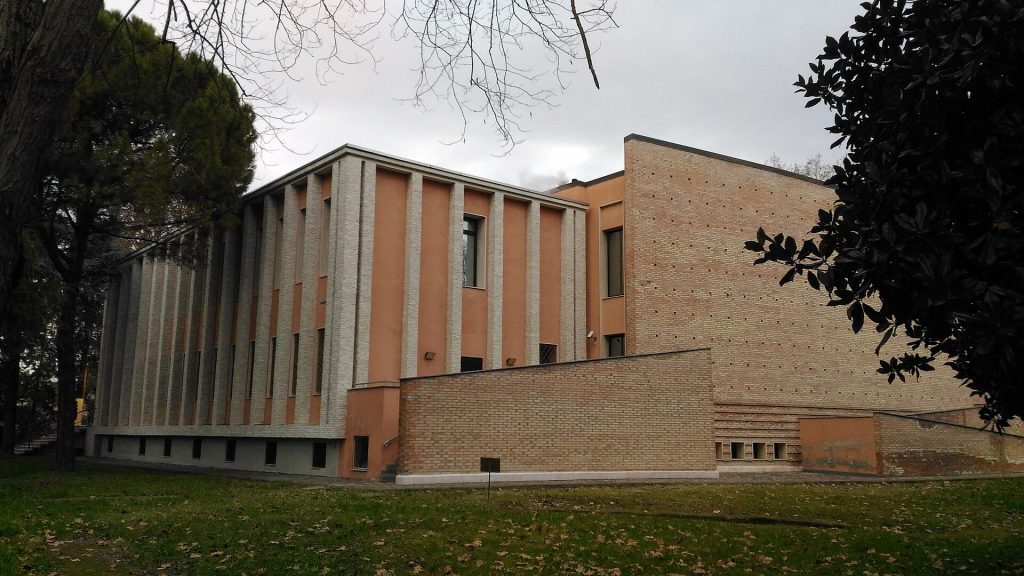
The ancient port that gave its name to the Adriatic.
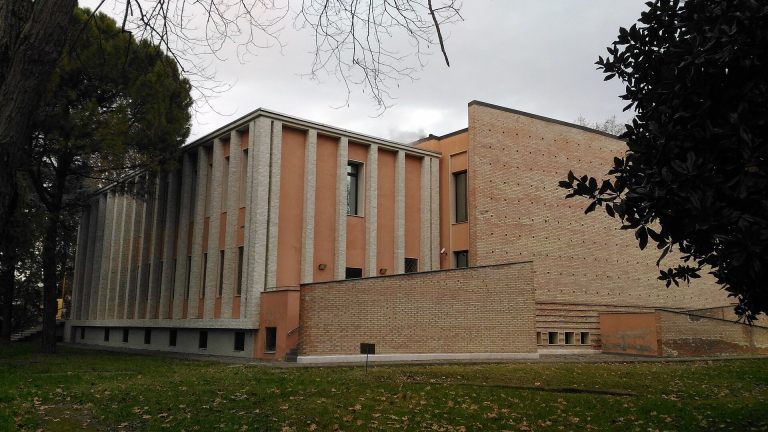
⏱ 25 min by car · 20 km from the apartment
- The National Archaeological Museum, with Etruscan, Greek and Roman finds
- The cathedral and the town centre on the Canalbianco
Getting there: 25 minutes by car.
Local tip: Perfect for half a day, even when it rains.
Combine it with: Rovigo, half an hour away.
Photo: Threecharlie, CC BY-SA 4.0, via Wikimedia Commons
Rovigo
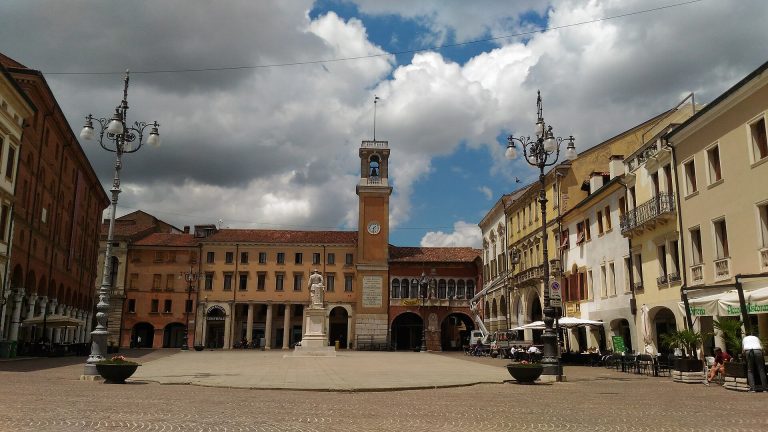
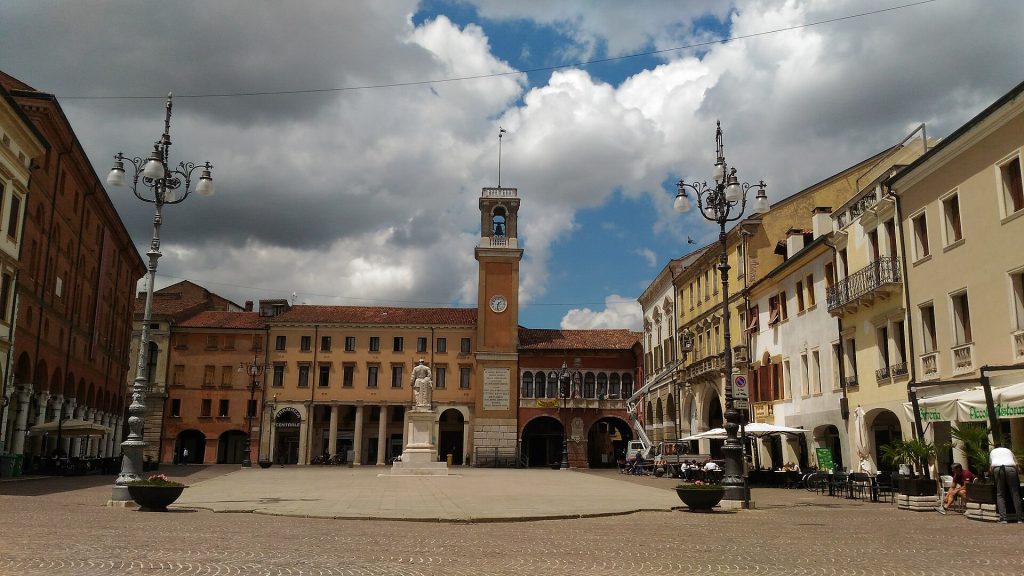
The capital of the Polesine and its major art exhibitions.
⏱ 50 min by car · 41 km from the apartment
- Palazzo Roverella, home to major exhibitions
- Piazza Vittorio Emanuele II
- The Temple of the Beata Vergine del Soccorso, known as “La Rotonda”
- The medieval castle towers
Getting there: 50 minutes by car, or by direct train from Rosolina station.
Local tip: Check Palazzo Roverella’s programme: the major exhibitions are often held in autumn and winter.
Combine it with: Villa Badoer in Fratta Polesine, about 20 km away.
Photo: Threecharlie, CC BY-SA 4.0, via Wikimedia Commons
🌐 Official website: visitrovigo.it
Venice
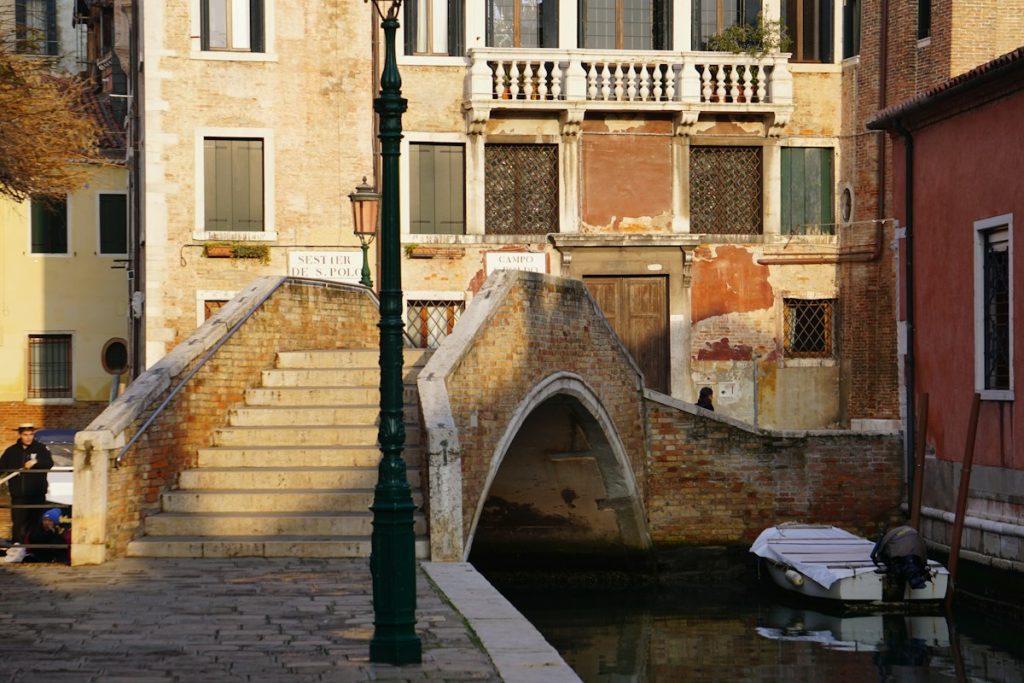
The city on the water, without the summer crowds.
⏱ 1 h 10 min by car · 63 km from the apartment
- St Mark’s Square, the Basilica and the Doge’s Palace
- The Grand Canal by vaporetto and the Rialto Bridge
- Murano for glass and Burano for its colourful houses
- The quieter districts: Cannaregio and Castello
Getting there: By car to Piazzale Roma or Tronchetto. Or the most scenic way: from Chioggia, ACTV line 11 crosses Pellestrina and the Lido by waterbus, bus and ferry, then a vaporetto takes you to St Mark’s.
Local tip: In 2026 Venice’s access fee for day visitors (€5–10) applies only on certain days between April and July: in the low season there is none. Always check the official calendar.
Combine it with: Chioggia, arriving by boat from Pellestrina.
🌐 Official website: veneziaunica.it
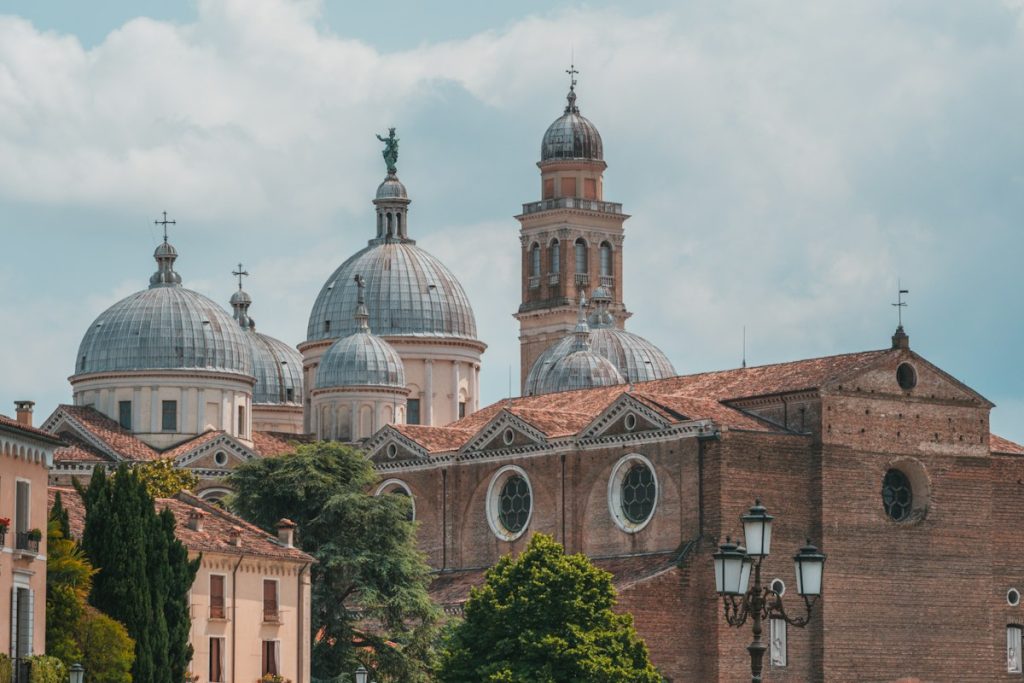
Padua
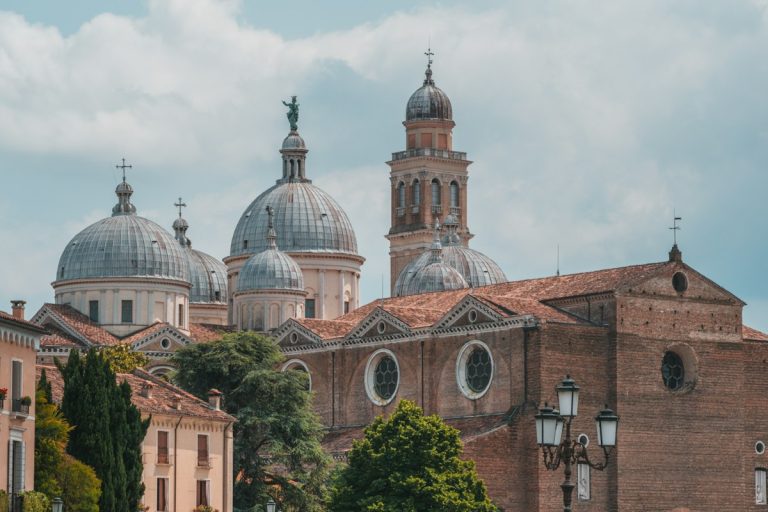
Giotto, the Basilica of St Anthony and one of Europe’s largest squares.
⏱ 1 h 10 min by car · 58 km from the apartment
- The Scrovegni Chapel frescoed by Giotto (booking required)
- The Basilica of St Anthony
- Prato della Valle
- The Botanical Garden, the world’s oldest university botanical garden
Getting there: About 1 h 10 min by car, or by train via Rovigo.
Local tip: Padua’s 14th-century frescoes are a UNESCO World Heritage Site: book the Scrovegni Chapel a few days ahead.
Combine it with: The Riviera del Brenta or the Euganean Hills.
🌐 Official website: turismopadova.it
Ferrara
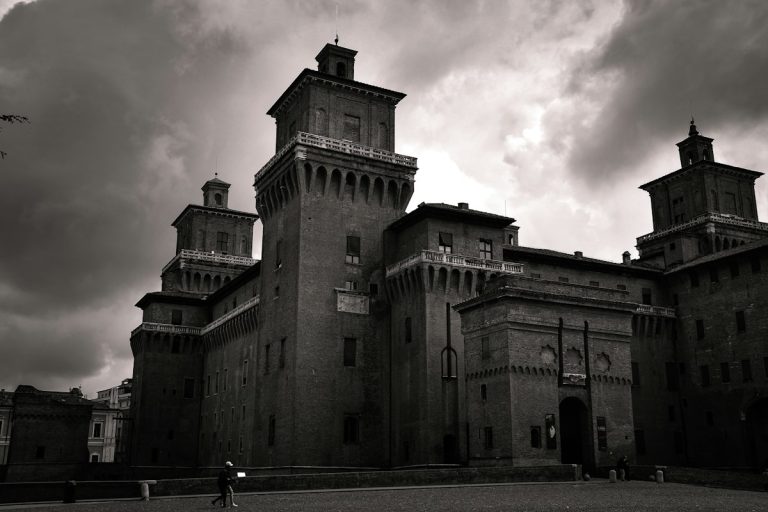
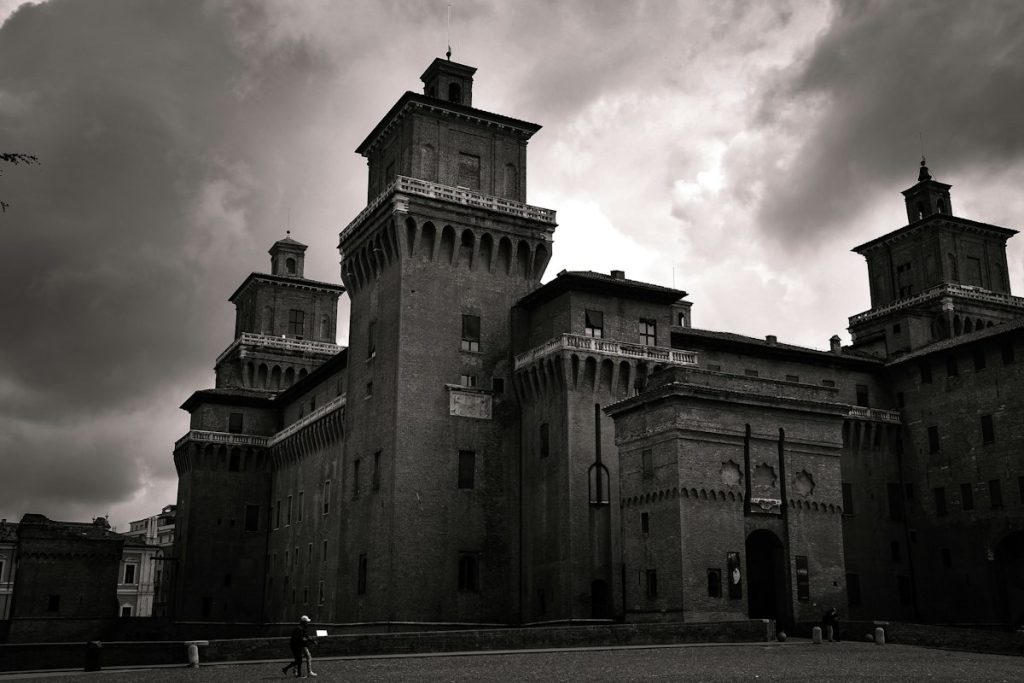
The Renaissance city, best explored by bike.
⏱ 1 h 20 min by car · 79 km from the apartment
- The Este Castle and its moat
- The cathedral and the medieval centre
- Palazzo dei Diamanti
- The Renaissance walls, over 9 km to walk or cycle
Getting there: About 1 h 20 min by car, or by train via Rovigo.
Local tip: Ferrara is a UNESCO World Heritage Site together with its Po Delta: the art city that best matches your holiday.
Combine it with: Pomposa Abbey on the way back.
🌐 Official website: Ferrara Terra e Acqua
Comacchio
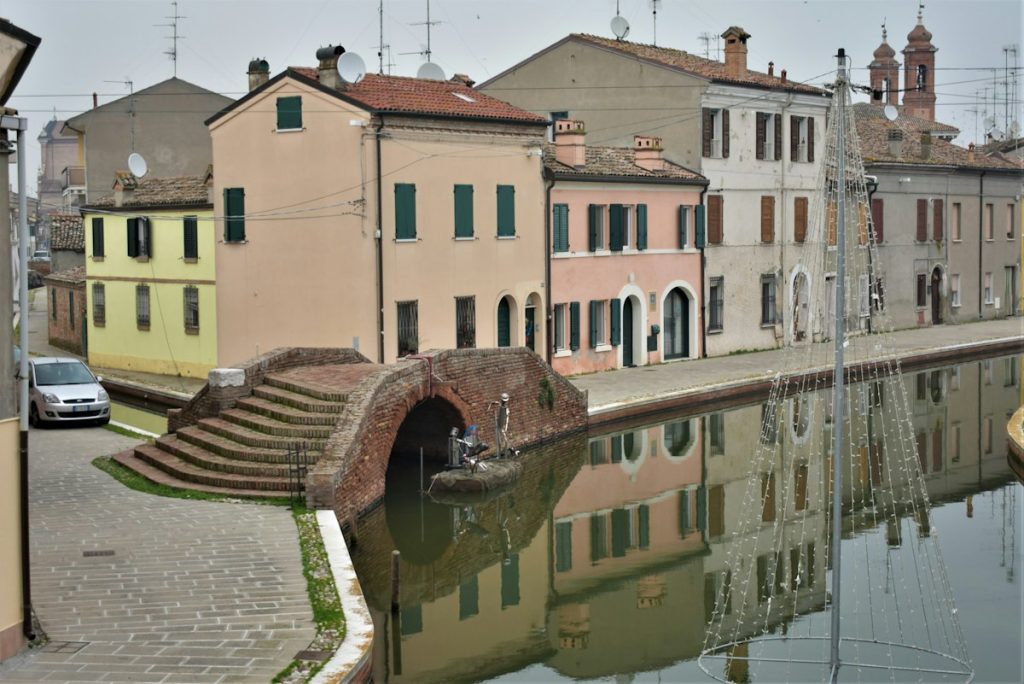
Canals, bridges and lagoons: the Delta’s other “little Venice”.
⏱ 1 h by car · 51 km from the apartment
- The Trepponti, symbol of the town
- The Manifattura dei Marinati and the eel tradition
- The Delta Antico Museum
- The lagoons, with their flamingos
Getting there: About 1 hour by car, along the Romea road.
Local tip: The traditional eel festival is held in autumn: check the dates.
Combine it with: Pomposa and Ravenna: “the lagoon loop”; or the Argine degli Angeli by bike.
🌐 Official website: Ferrara Terra e Acqua
Ravenna
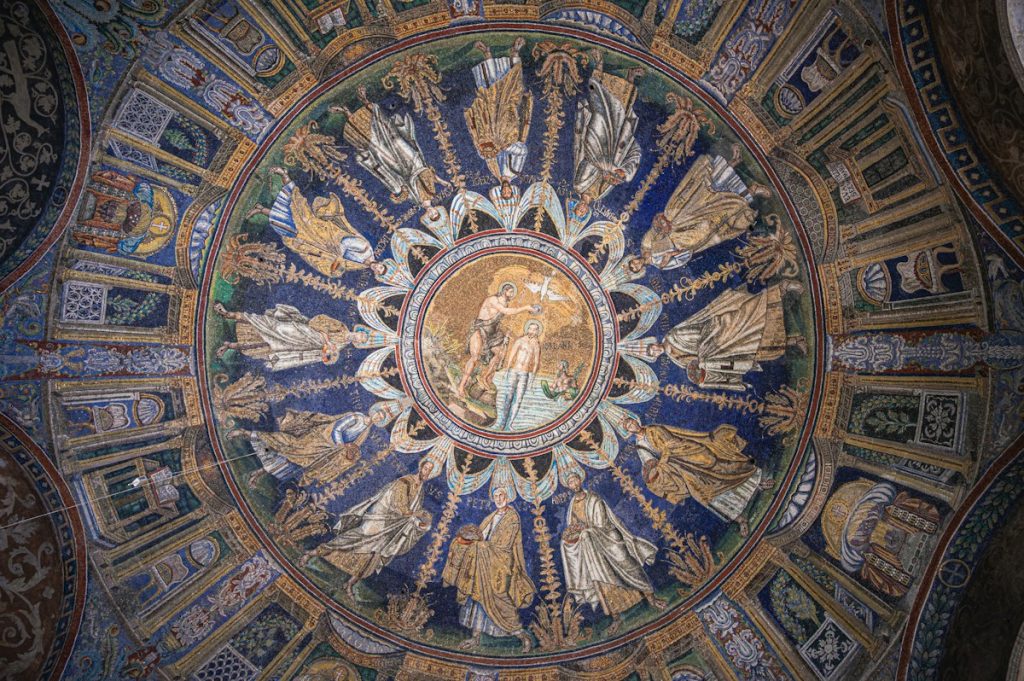
The world’s finest mosaics, a UNESCO World Heritage Site.
⏱ 1 h 30 min by car · 81 km from the apartment
- The Basilica of San Vitale and the Mausoleum of Galla Placidia
- Sant'Apollinare Nuovo
- Dante’s Tomb
- The pedestrian old town
Getting there: About 1 h 30 min by car, along the Romea road through the Delta.
Local tip: Get the combined monuments ticket: one ticket covers the most important mosaics.
Combine it with: Pomposa and Comacchio, on the same road.
🌐 Official website: turismo.ra.it
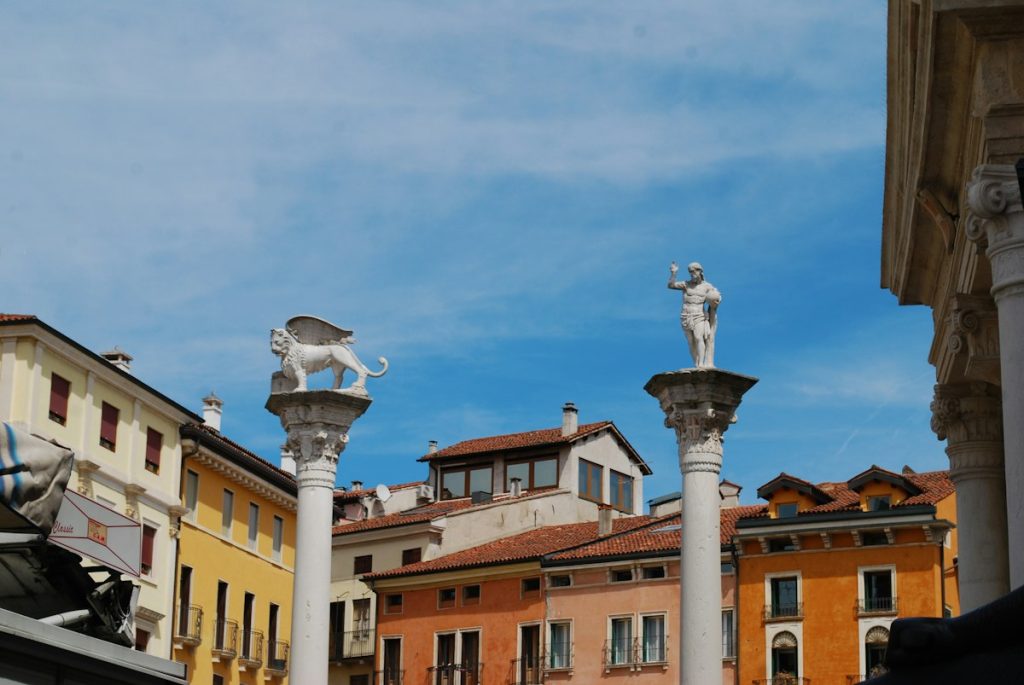
Vicenza
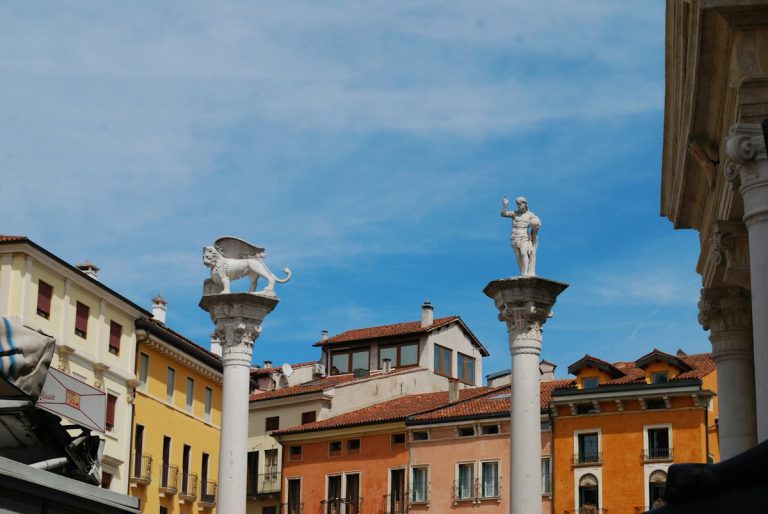
Palladio’s city.
⏱ 1 h 30 min by car · 93 km from the apartment
- The Teatro Olimpico, Palladio’s last work
- The Basilica Palladiana in Piazza dei Signori
- La Rotonda, the most famous Palladian villa
- Corso Palladio and its palaces
Getting there: About 1 h 30 min by car, or by train via Rovigo and Padua.
Local tip: Palladio’s city and villas are a UNESCO World Heritage Site: pair Vicenza with a villa for a themed day.
Combine it with: Villa La Rotonda, just outside town.
🌐 Official website: vicenzae.org
Villa Badoer
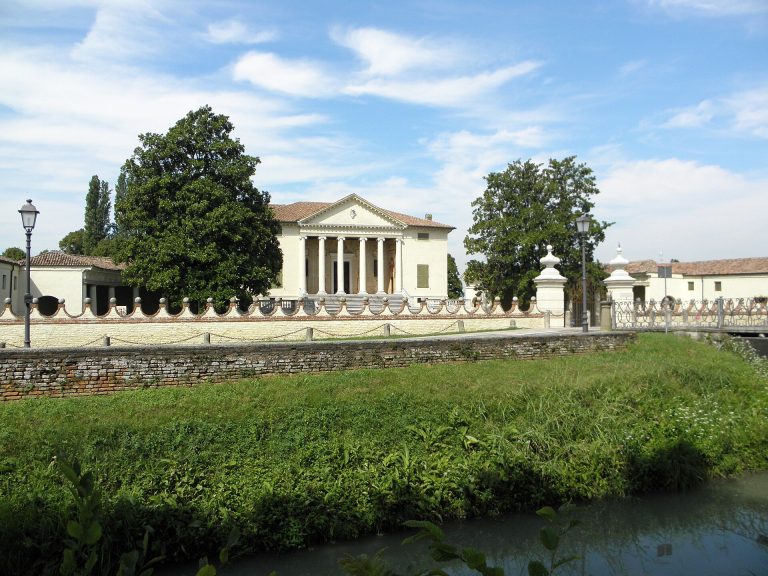
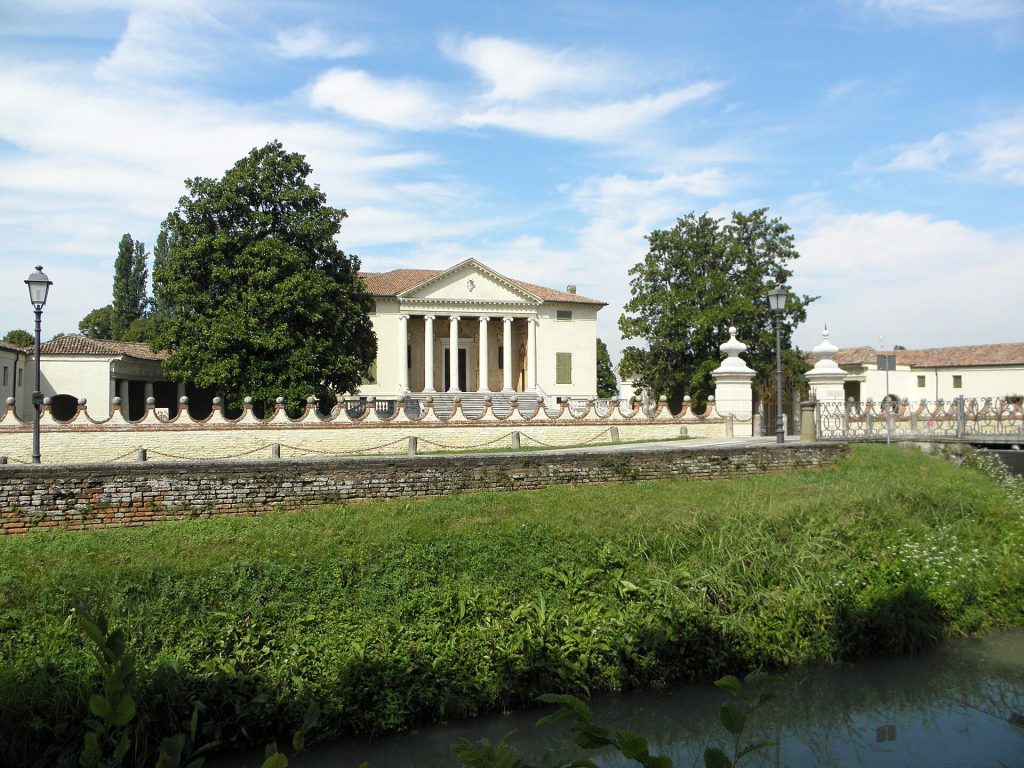
Palladio’s villa in the Polesine, a UNESCO World Heritage Site.
⏱ 1 h by car · 57 km from the apartment
- The villa, designed by Andrea Palladio and built between 1556 and 1563
- The National Archaeological Museum in the villa wing
- The village of Fratta Polesine
Getting there: About 1 hour by car, in Fratta Polesine.
Local tip: The villa opens mainly at weekends and on public holidays: check the opening times before you set off.
Combine it with: Rovigo, about 20 km away.
Photo: Threecharlie, CC BY-SA 4.0, via Wikimedia Commons
🌐 Official website: Villa Badoer – Aqualab
Riviera del Brenta
The villas of Venetian nobles along the Brenta canal.
⏱ 1 h by car · 50 km from the apartment
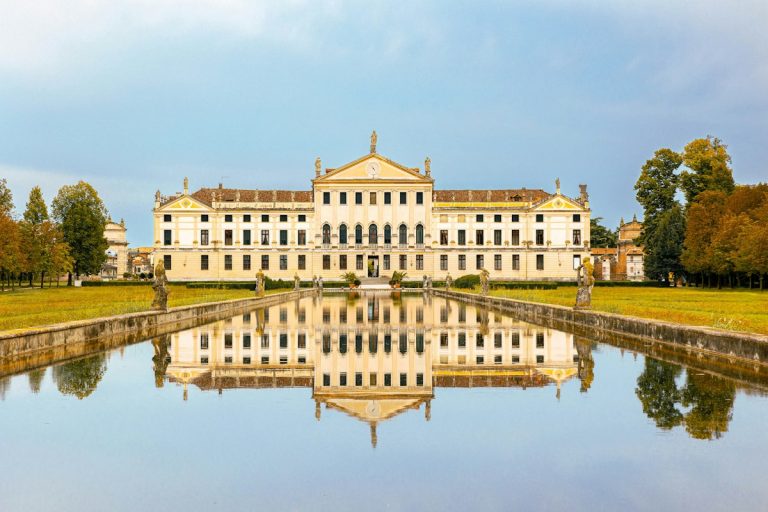
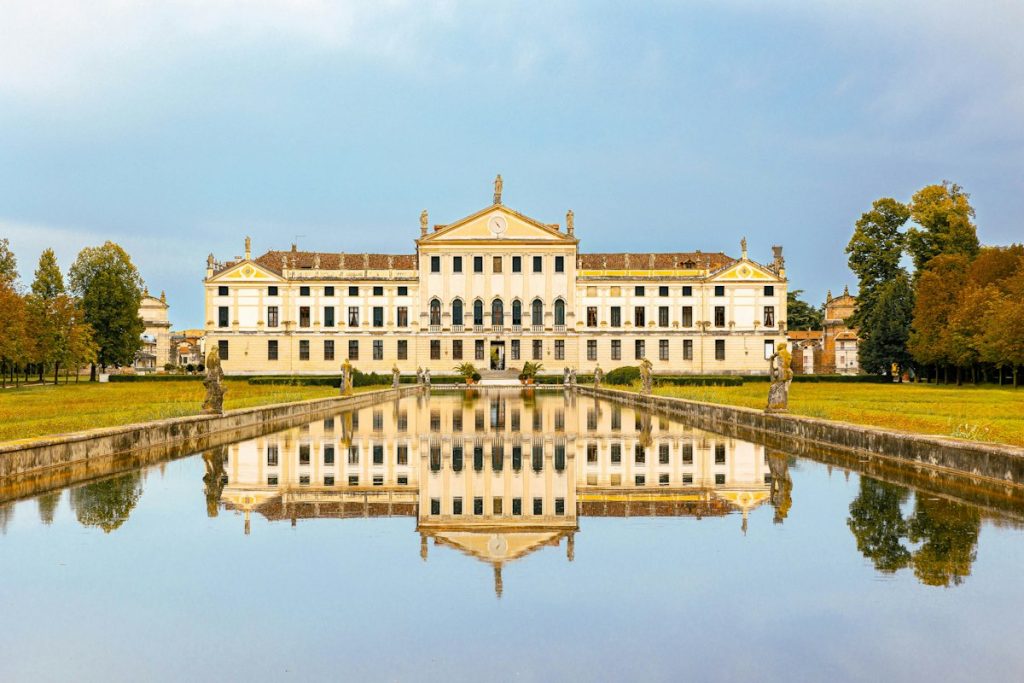
- Villa Pisani in Stra, with Tiepolo’s frescoes and the famous maze
- Villa Foscari “La Malcontenta”, a Palladian masterpiece
- Villa Widmann in Mira, in Rococo style
- In the warm season, the Burchiello boat cruise past the villas
Getting there: About 1 hour by car to Mira or Stra.
Local tip: Get lost in the hedge maze in Villa Pisani’s park: it is one of the most famous in Europe.
Combine it with: Padua or Venice on the same day.
🌐 Official website: Villa Pisani – Museo Nazionale
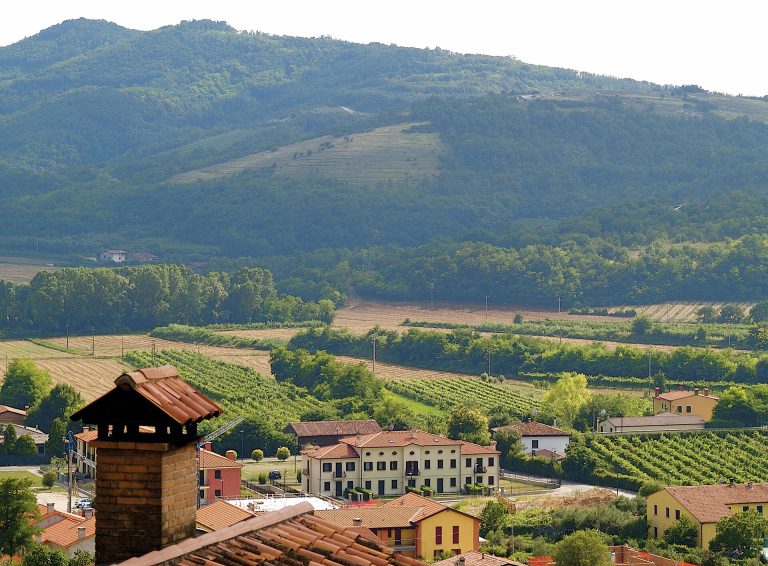
Arquà Petrarca and the Euganean Hills
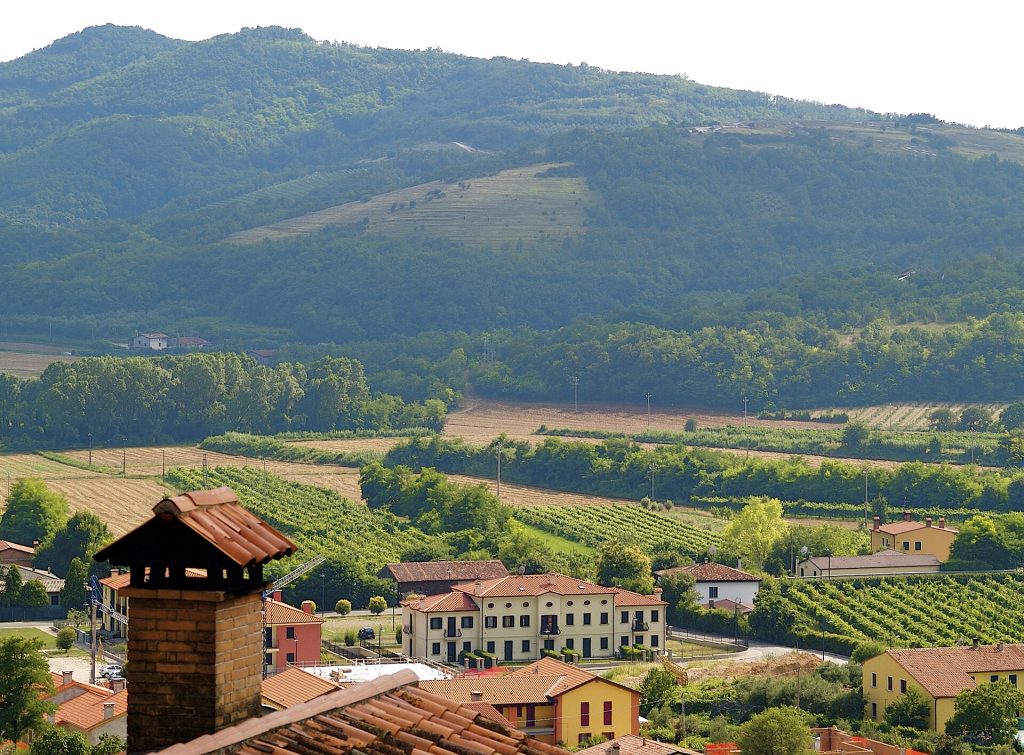
One of Italy’s most beautiful villages, among hills and vineyards.
⏱ 1 h 10 min by car · 58 km from the apartment
- The house where the poet Petrarch spent his last years
- The medieval stone village
- The Euganean Hills, the wineries and the spas of Abano and Montegrotto
Getting there: About 1 h 10 min by car.
Local tip: In autumn, with the grape harvest and the changing leaves, the hills are at their best.
Combine it with: Este and Montagnana.
Photo: colros, CC BY 2.0, via Wikimedia Commons
🌐 Official website: Parco Regionale dei Colli Euganei
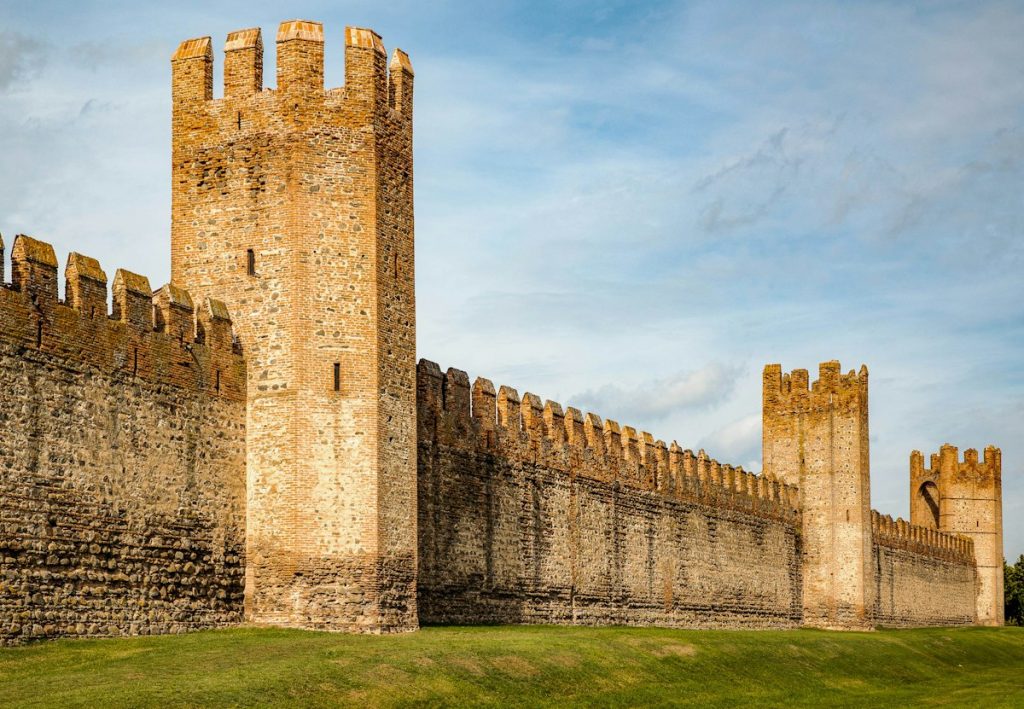
Este and Montagnana
Castles and medieval walls at the foot of the Euganean Hills.
⏱ 1 h 15 min by car · 60–94 km from the apartment
- The Carrara Castle and the National Atestino Museum in Este
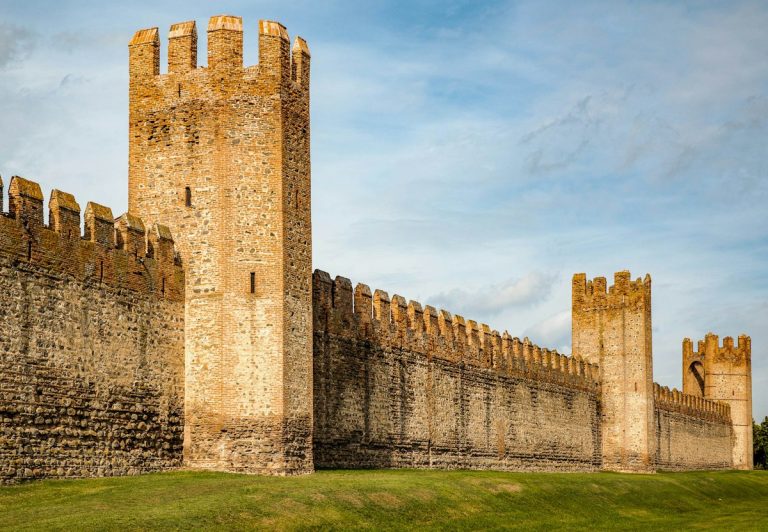
- Montagnana’s medieval walls, among the best preserved in Europe
Getting there: By car: Este in about 1 h 15 min, Montagnana in about 1 h 30 min.
Local tip: Walk around Montagnana’s walls: almost 2 km of towers and battlements.
Combine it with: Arquà Petrarca, on the same day in the hills.
Frequently asked questions
How far is Venice from Rosolina?
About 63 km, just over an hour by car to Piazzale Roma. Alternatively, you can arrive across the lagoon from Chioggia, 20 minutes from the apartment, on ACTV line 11 via Pellestrina and the Lido.
Do you have to pay a fee to enter Venice?
In 2026 the access fee for day visitors (€5–10) applies only on certain days between April and July. In the low season there is no fee. Always check the City of Venice’s official calendar.
Which art cities can you visit on a day trip from Rosolina?
Chioggia (20 min), Pomposa Abbey (35 min), Rovigo (50 min), Comacchio (1 h), Venice and Padua (about 1 h 10 min), Ferrara (1 h 20 min), Ravenna and Vicenza (about 1 h 30 min).
Which Venetian villas can you visit near Rosolina?
Palladio’s Villa Badoer in Fratta Polesine, a UNESCO World Heritage Site, about an hour away; and the villas of the Riviera del Brenta, such as Villa Pisani in Stra and Villa Foscari “La Malcontenta”, also about an hour away.
Can you get around without a car?
Partly, yes: there are direct trains from Rosolina station to Chioggia and Rovigo, and from Rovigo you can reach Padua, Venice and Ferrara. For villas and villages a car is more convenient.
Is the low season a good time for the art cities?
Yes: from September to April museums and cities are less crowded, prices are lower and there is no access fee in Venice.
Where to stay
Appartamento da Simone in Rosolina Mare and Appartamento da Sauro in Rosolina: the ideal base for combining the sea and the Delta with the art cities. Before you arrive we send you our guest app, full of tips for making the most of your holiday.
Photo credits. Venice Grand Canal at sunset with gondolas: Rebe Adelaida (Unsplash) · Canal with boats and tower in Chioggia: Claudio Poggio (Unsplash) · Bell tower and Pomposa Abbey: Vanni Lazzari (CC BY-SA 4.0, Wikimedia Commons) · National Archaeological Museum of Adria: Threecharlie (CC BY-SA 4.0, Wikimedia Commons) · Piazza Vittorio Emanuele II in Rovigo: Threecharlie (CC BY-SA 4.0, Wikimedia Commons) · Bridge over a canal in Venice: Vladan Raznatovic (Unsplash) · Basilica domes in Padua: Clovis Wood (Unsplash) · Este Castle in Ferrara: Edoardo Cuoghi (Unsplash) · The Trepponti and canals of Comacchio: Tomasz Anusiewicz (Unsplash) · Dome mosaic in Ravenna: Luca Severin (Unsplash) · Piazza dei Signori in Vicenza: Chiara Guercio (Unsplash) · Palladio’s Villa Badoer in Fratta Polesine: Threecharlie (CC BY-SA 4.0, Wikimedia Commons) · Villa Pisani in Stra reflected in the park pool: Edoardo Bortoli (Unsplash) · Arquà Petrarca and the Euganean Hills: colros (CC BY 2.0, Wikimedia Commons) · Medieval walls of Montagnana: Edoardo Bortoli (Unsplash) · A canal in Comacchio with a boat: Melina Kiefer (Unsplash) · Palladio’s Villa La Rotonda in Vicenza: Edoardo Bortoli (Unsplash)